



Skiing in Akita, Japan 2026-27: All 12 Ski Resorts and How to Choose
Masanori Kato
Akita no Mikata
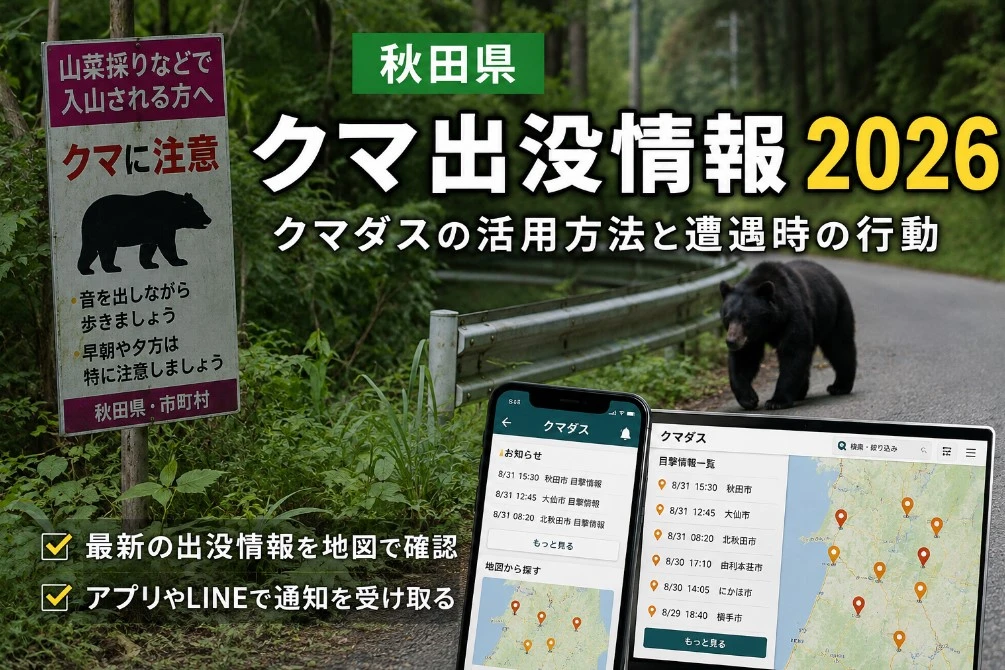
If you’ve seen the news about bear attacks in Japan, you may be wondering whether it’s safe to visit Akita. Asian black bears live in the mountains and forests of Akita, in northern Japan’s Tohoku region, and in recent years they have been showing up more often near farms, villages and even towns. Locals here now check bear information as part of daily life, not only before hiking.
I live in Akita, and last year I saw bears three times myself, all within Akita City. In this guide I’ll explain the current situation, how to check the official bear sighting map “Kumadas” (even if you don’t read Japanese), when and where to be careful, and what to do if you meet a bear. The short answer: most visitors to Akita’s towns, festivals and ski resorts never see a bear, but a little preparation goes a long way, especially if you plan to walk in nature.
Bear safety in Akita: the essentials
Akita Prefecture uses a two-level alert system for bears: a “bear advisory” (chuiho) and a stronger “bear warning” (keiho). In 2026, an advisory was issued for the whole prefecture on April 10, the earliest ever, and it was raised to a warning during the summer. From October it was lowered back to an advisory, which has been extended to November 30, 2026. Sightings have been decreasing this autumn, but bears are still appearing in many areas as they feed before hibernation.
In 2025, sightings jumped sharply in October, the autumn-leaves season. So “the warning is over” doesn’t mean “no bears.” The safest habit is simply to check the latest sightings for the area you’re visiting.
For context, autumn 2025 brought record numbers of bear sightings and injuries across northern Japan, and the situation was reported by news outlets around the world. Akita was one of the most affected prefectures. That is why bear alerts are taken so seriously here, and why locals are used to checking bear information before going out.
What does this mean for travelers? Bears are most active from spring to late autumn and usually hibernate from around December to March. Winter visitors coming for skiing, the Hikari no Fantasy illuminations or the Namahage Sedo Festival face much lower risk. The people who need to pay the most attention are hikers, mountain-vegetable pickers, and anyone walking in forests, gorges or rural areas from spring through autumn.
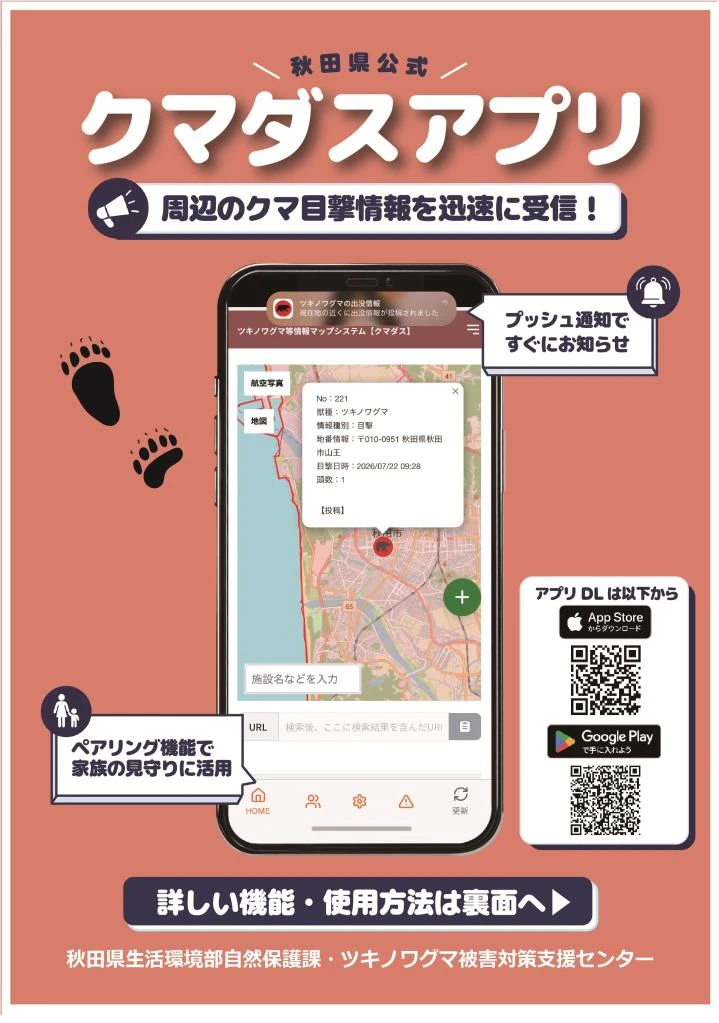
Kumadas is Akita Prefecture’s free online map of bear sightings and bear-related injuries. It works on both computers and smartphones. The site is only in Japanese, but it’s easy to use because the information is on a map. Your browser’s translate function (for example, Google Translate in Chrome) also works on the page.
Check not just your destination but also the roads and paths you’ll use to get there. When I look back on my own encounters, the places and times followed a similar pattern. That’s only my experience and won’t apply to every bear, but knowing where and when bears were seen helps you decide what to avoid. I think of Kumadas as a tool that turns “knowing where bears are and being scared” into “knowing where bears are and changing your plans.”
Residents can also get push notifications through the Kumadas smartphone app (released in August 2026) or the Akita Prefecture LINE account. Both are in Japanese and are mainly designed for people living here, so for a short trip, checking the map before you go out is usually enough.
Also note that some mountain areas are closed to entry because of bears, including parts of the Hachimantai area in Kazuno City and the Tamagawa area in Senboku City. Always follow closure signs at trailheads.
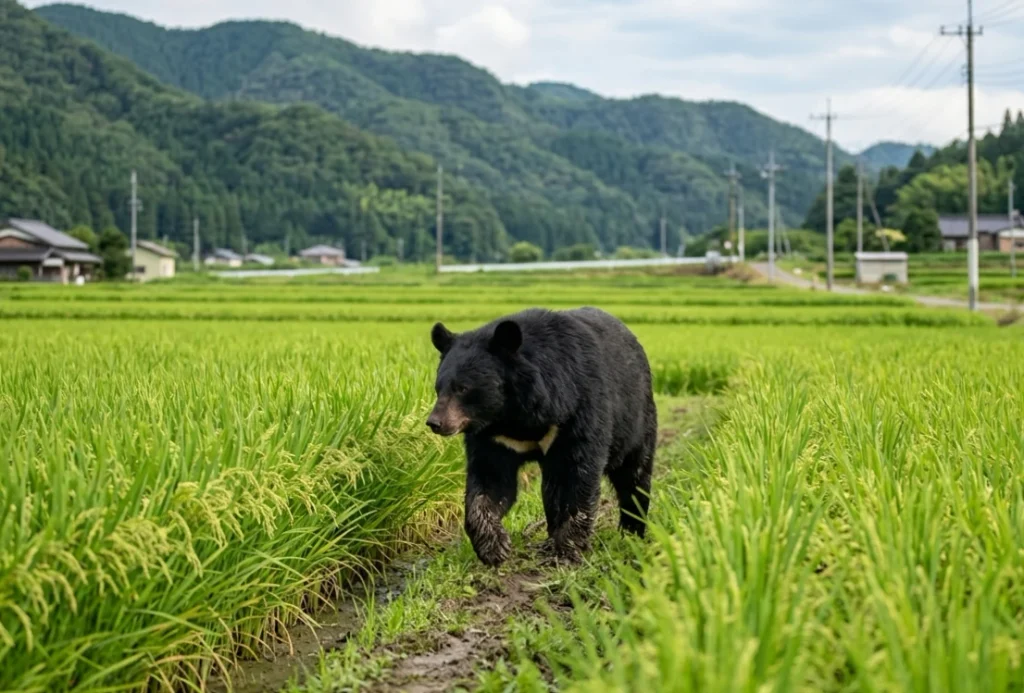
Bears naturally avoid people. Most dangerous encounters happen when a person and a bear surprise each other at close range. So the key is to let bears know you’re there.
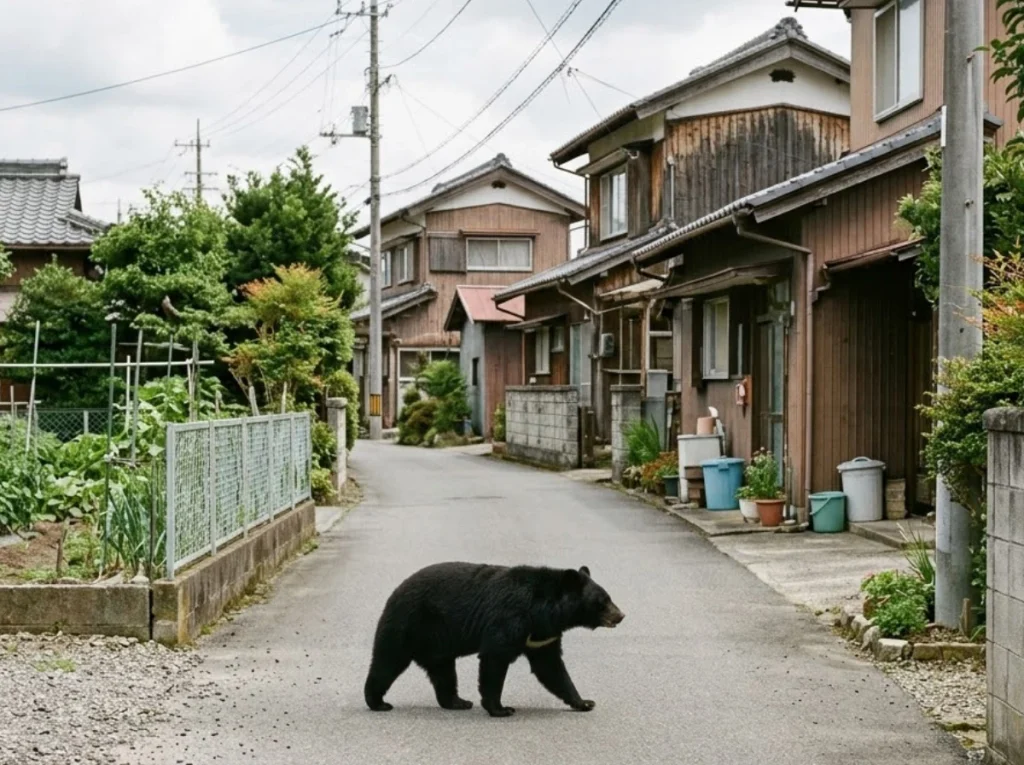
No matter how careful you are, you can’t reduce the chance of an encounter to zero. Akita Prefecture advises the following:
| Bear sighting map | Kumadas (kumadas.net) — free, Japanese only, works on smartphones |
| Notifications | Kumadas app (Aug 2026) or Akita Prefecture LINE (setup required, Japanese) |
| Current alert | Bear advisory for all of Akita, extended to Nov 30, 2026 |
| Most active season | April–November (peak in autumn); usually hibernating Dec–Mar |
| Report a sighting | Police (110) or the local city/town office |
| Prefecture contact | Akita Prefecture Nature Conservation Division: 018-860-1613 (weekdays 8:30–17:15, Japanese) |
Should I cancel my trip to Akita because of bears?
For most trips, no. Bear sightings are concentrated in mountains, forests and rural edges. If you’re visiting cities, festivals, hot spring towns or ski resorts, just stay aware and follow local notices. Take extra care if hiking from spring to autumn.
Are bear attacks common in Japan?
They are still rare for travelers. Most incidents happen in mountains, forests and farmland in northern Japan and other rural areas, often to people working outdoors or foraging. The city centers of Tokyo, Kyoto and Osaka see almost no bear problems.
Are there bears in winter?
Most bears hibernate from around December to March, so sightings drop sharply. Occasional sightings can still happen in early winter and early spring.
Is there an English bear map?
Kumadas is only in Japanese, but the map is visual and works with browser translation. Use the municipality and period filters described above.
Living with bears is part of life in Akita now, and we can’t make encounters impossible. But four habits make a big difference: check Kumadas for recent sightings, avoid places and times where bears keep appearing, make noise when you walk in nature, and never leave food outside. Bears also try to avoid people. There’s no need to be more afraid than necessary, and no reason to be careless either. With a little preparation, you can enjoy the nature of Akita and northern Japan, from autumn leaves to snowy winter landscapes, with peace of mind.

