
Namahage Sedo Festival 2027 in Oga, Japan: Dates, Tickets and Access
Masanori Kato
Akita no Mikata
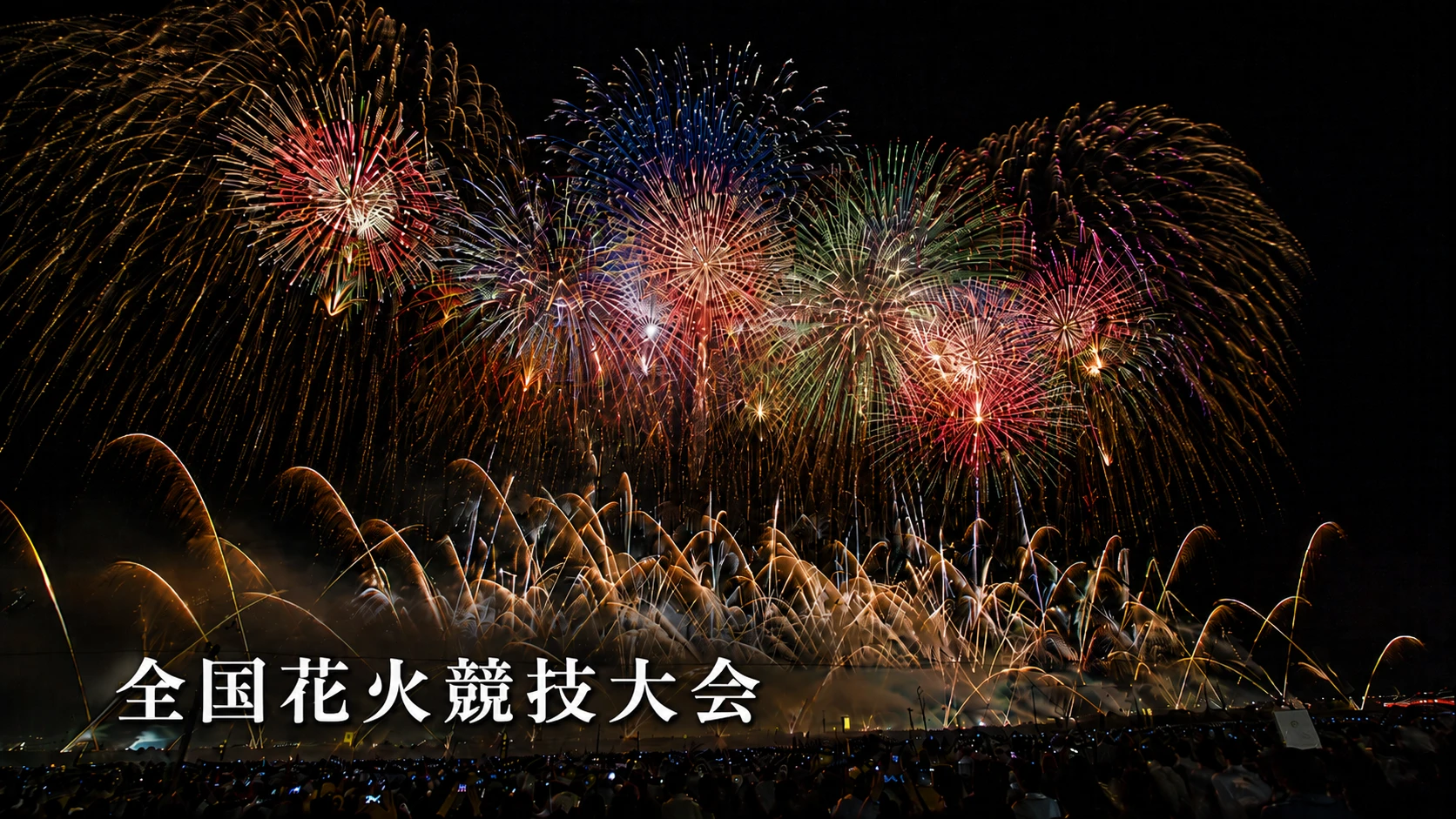
You can see fireworks all over Japan in summer, but Omagari is different. Here, fireworks are a competition. Every year at the end of August, the small city of Omagari in Daisen, Akita, in northern Japan, hosts the National Fireworks Competition (Zenkoku Hanabi Kyogi Taikai), better known as the Omagari Fireworks. Japan’s top pyrotechnic companies bring their best work of the year to be judged, and around 18,000 shells light up the sky over the Omono River.
I live in Daisen City, where the festival is held, and it is the biggest day of the year here. In this guide I’ll explain when it happens, what makes it special, how tickets work for visitors from overseas (this is important: there is no free viewing inside the venue), and how to get there and back without getting stuck in the crowds.
Omagari Fireworks: the essentials

Omagari is often counted among the three great fireworks festivals of Japan, together with Tsuchiura and Nagaoka. What sets it apart is that it is a true competition. The event began in 1910, and today around 28 fireworks companies selected from across the country compete in front of judges. The top prizes are among the most respected awards in the Japanese fireworks world, so the craftsmen put everything into this one night.
For spectators, that means you are not just watching a show. You are seeing the best new work of the country’s top fireworks makers, one entry after another, with huge sponsor displays in between. On top of the competition shells, the organizers and sponsors add their own displays, bringing the total to about 18,000 shells.
The National Fireworks Competition is held on one day in late August, usually the last Saturday. In 2026 it was held on Saturday, August 29. If the pattern continues, the 2027 festival would fall on Saturday, August 28, but this is not official yet, so wait for the announcement before you book anything that can’t be changed.
| Program (2026) | Time |
| Gates open | 3:00 pm |
| Daytime fireworks | 5:10–6:00 pm |
| Night fireworks | 7:00–9:30 pm |
Light rain doesn’t change the schedule. In severe weather or if the river is too high, the festival is postponed rather than cancelled, and your ticket stays valid for the new date. On the morning of the festival, check the official website or app for updates.
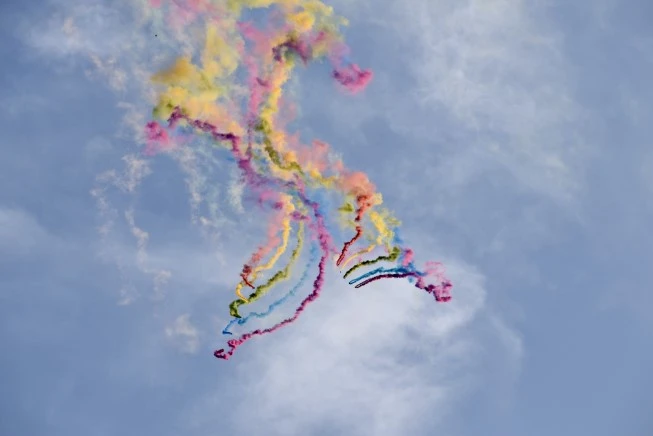
Many people think of the daytime fireworks as a way to pass the time before dark. At Omagari, it is a serious competition of its own. Instead of light, the fireworks makers compete with colored smoke, drawing shapes and patterns in the blue sky. It is said to be the only contest of its kind in Japan.
At night, the stars of the show are the big 10-go shells (about 30 cm across, bursting into huge circles) and the sozo hanabi (creative fireworks), choreographed displays set to music. The same word, “hanabi,” means completely different things by day and by night, which is why I recommend arriving in time for the daytime program.
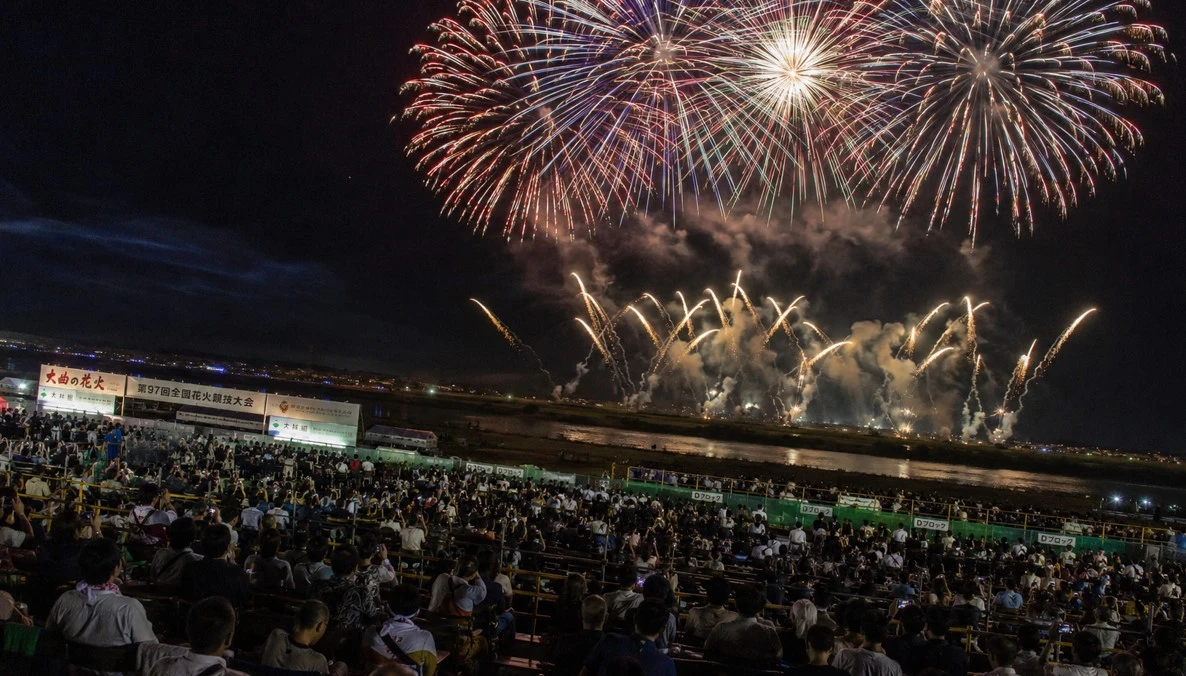
This is the most important thing for first-time visitors. According to the official FAQ, all viewing areas inside the venue are reserved or ticketed. Some people watch from outside the venue, but areas can be closed for safety, and you won’t see the low-level fireworks or hear the music well. If you are traveling all the way to Akita, plan on buying a seat.
| Seat type (2026 prices) | Price per section |
| Chair seat (1 person) | ¥8,000 |
| Pair bench seat (2 people) | ¥13,000 |
| Picnic sheet seat (4 people) | ¥15,000 |
| Table seat (4 people) | ¥38,000 |
| Deluxe table seat (4 people) | ¥50,000 |
| Platinum pair seat (2 people) | ¥70,000 |
| Photographer seats (1 person) | ¥13,000–25,000 |
In 2026, tickets went on sale online on a first-come, first-served basis in mid-June through Japanese ticket sites (Lawson Ticket and e+), with a second round in late July only if seats remained. There was also an in-person sale at the Omagari Chamber of Commerce in early July (cash only). Popular seats sell out quickly, and tickets can’t be cancelled or changed.
For first-timers, I really think a seat is worth it. Instead of spending hours saving a spot, you can use that time and energy to enjoy the fireworks themselves.
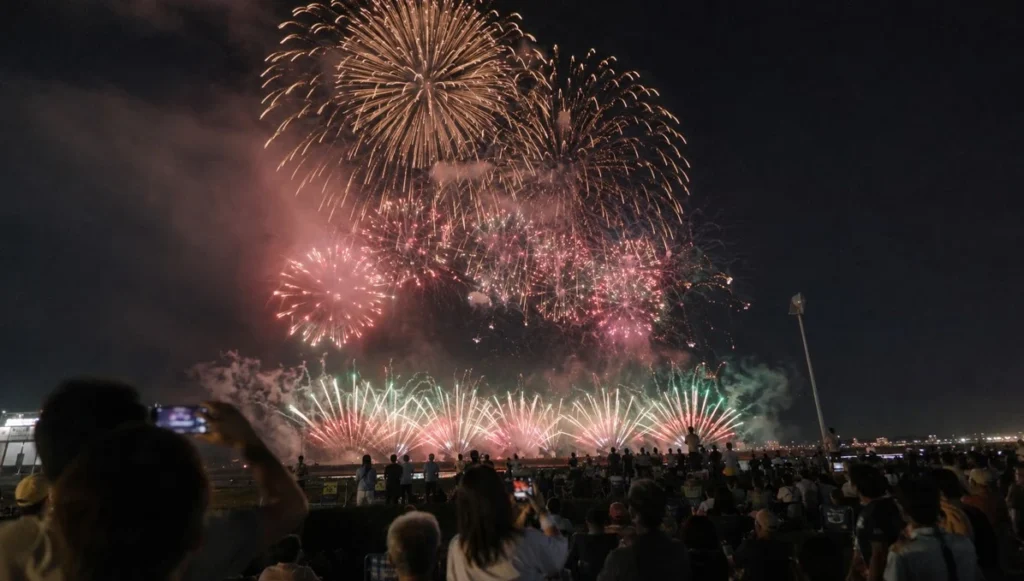
When the night fireworks end, everyone heads to Omagari Station at once. This is the most crowded moment of the whole day. JR East runs extra trains on festival day, and the timetable is published before the event, but the station and platforms are packed. Check your train in advance and expect long waits.
Hotels in Daisen City fill up months in advance. Widen your search along the train lines, and you will find more options:
Staying overnight also lets you sightsee in Akita the next morning instead of rushing back to Tokyo. If you are in Akita City, it is a good base for both Omagari and the city itself.
| Event | National Fireworks Competition “Omagari no Hanabi” |
| Date | Late August, usually the last Saturday (2026: Aug 29; 2027 not yet announced) |
| Times (2026) | Gates 3:00 pm / daytime 5:10–6:00 pm / night 7:00–9:30 pm |
| Venue | “Omagari no Hanabi” Park, Omono River, Daisen City, Akita |
| Shells | About 18,000 |
| Tickets | All viewing areas ticketed; from ¥8,000 per person (2026) |
| Nearest station | JR Omagari Station (about 30 minutes on foot) |
| Official website | omagari-hanabi.com/en |
When is the Omagari Fireworks in 2027?
The official date has not been announced yet. It is usually held on the last Saturday of August, which would be August 28, 2027. Check the official website before booking.
Can I watch for free?
Not inside the venue. All viewing areas there are reserved or ticketed. Watching from outside is possible in some places, but the view is limited and areas may be closed for safety.
Can I combine Omagari with other festivals in Japan?
Yes. The Kakunodate Festival in nearby Kakunodate is held from September 7 to 9, and Akita’s Kanto Festival takes place in early August, so a late-summer trip to Akita can include more than one festival.
Are there other fireworks shows in Omagari?
Yes. Smaller fireworks events are also held in Omagari in spring and autumn, with a different atmosphere from the big August competition. Tickets for these are sold separately.
The Omagari Fireworks is not a show you just watch. It is a full day of competition, from colored smoke in the afternoon sky to giant shells and music at night, and one of the most spectacular fireworks festivals in Japan. Because the trains and roads get very crowded, decide three things early: your seat, your hotel and how you’ll get home. The better prepared you are, the more you can focus on the sky. If you can, arrive in the afternoon and enjoy Omagari twice, by day and by night.