Omagari Fireworks Festival, Japan: Tickets, Times and Access
Masanori Kato
Akita no Mikata
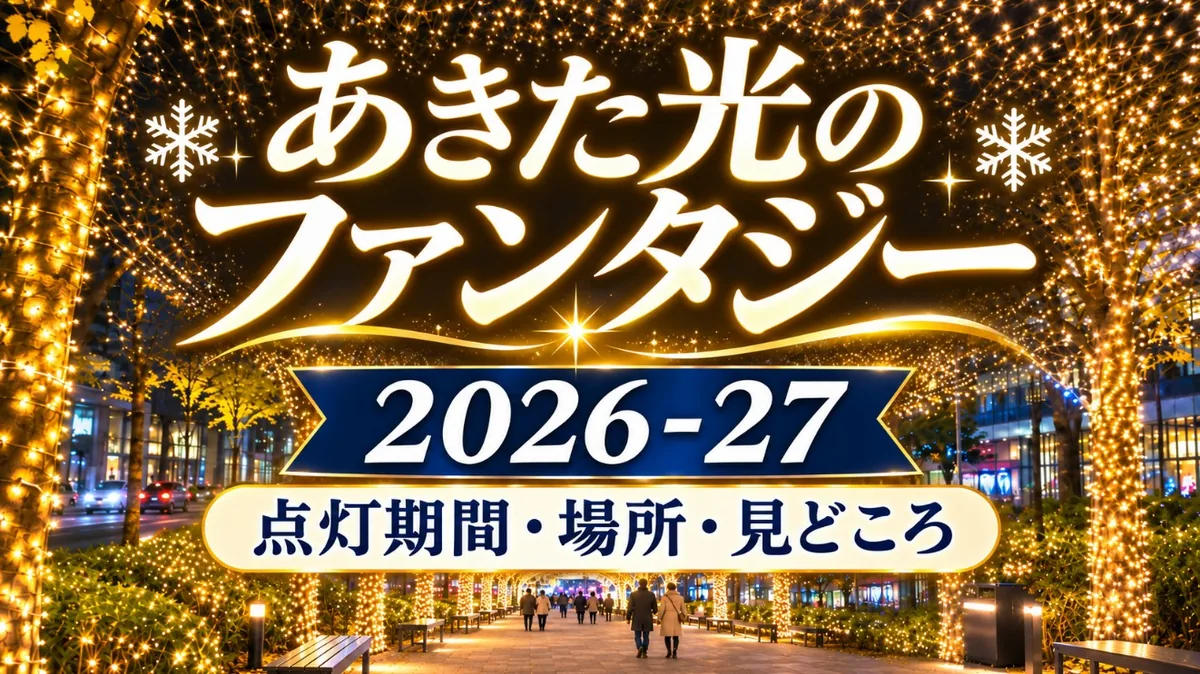
Every winter, the center of Akita City in northern Japan is lit up by Akita Hikari no Fantasy (“Akita Fantasy of Light”), a free illumination event that runs from late November to the end of February. Trees, tunnels and station plazas glow with LED lights, and the whole route from Akita Station to the Area Nakaichi district turns into a winter night walk.
I live in Akita, and in this guide I’ll explain when it usually runs, where to see the lights, how to get there, and a few tips for enjoying a snowy Japanese night without freezing. If you’re visiting Akita or Japan’s Tohoku region in winter for skiing or festivals, it’s an easy evening plan that costs nothing.
Akita Hikari no Fantasy at a glance
As of mid-November 2026, the organizers (JR East Akita Branch and local partners) have not yet published the official dates or lighting hours for the 2026-27 season. Last season’s announcement came out on November 21, so the details usually appear in the second half of November.
For reference, the 2025-26 edition ran from November 29, 2025 to February 28, 2026, and all the lights were switched on together at 5:00 pm on the first day. Some spots finished earlier than others, so not every display stays lit until the last day.
Some illumination listing sites already show November 28, 2026 to February 28, 2027, 5:00 pm to 10:00 pm for the Area Nakaichi lights. That fits the usual pattern, but it is not an official announcement yet. If you are booking a trip around it, check the latest information first. I will update this page when the official dates are out.
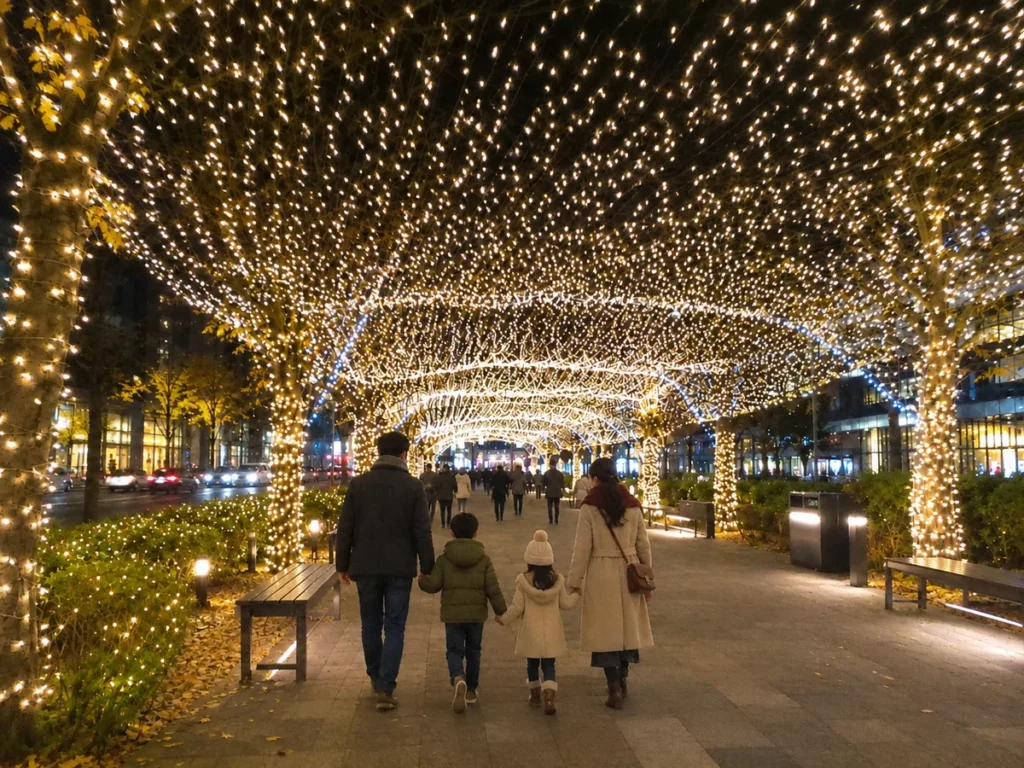
Last season, the illuminations covered the center of the city, starting from the Akita Base Center ALVE (the building east of the station), through JR Akita Station, to Area Nakaichi and the Akita Castle Hotel area. These were the main spots:
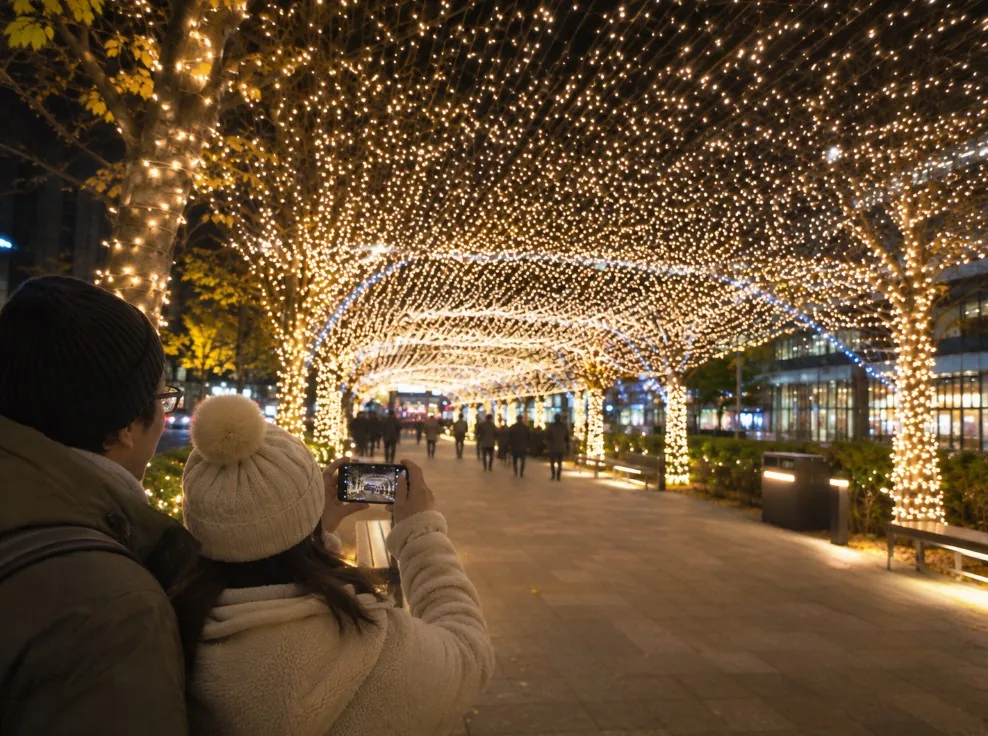
The nice thing is that it doesn’t end at the station. Area Nakaichi is about a 10-minute walk from the West Exit, and following the lights along the way turns the walk into part of the fun. On a freezing night 10 minutes can feel long, but there are shops, cafes and restaurants on the route to warm up in.
Keep in mind that the displays change from year to year. The 2026-27 lineup may not include the same tunnel or projection mapping, so treat last season’s photos as a preview, not a promise.
Yes. The 2025-26 edition was free to visit, and I expect the 2026-27 season to be free as well, since it is an outdoor event spread across the city streets. You don’t need a ticket; just walk around and enjoy.
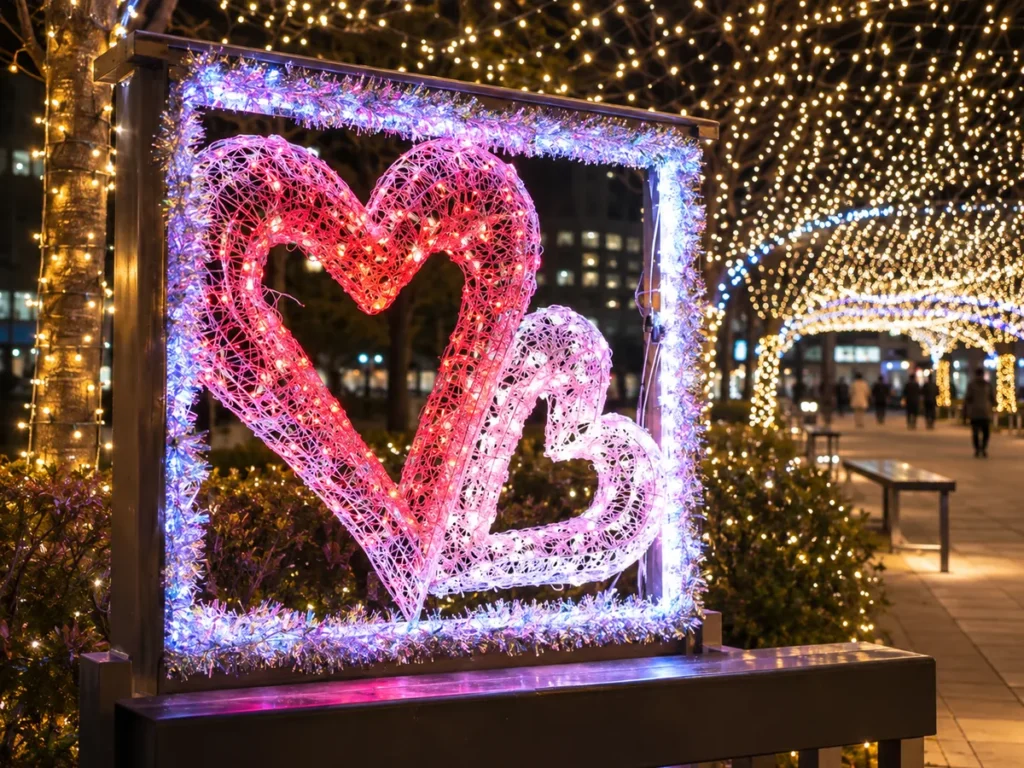
Japan is famous for its winter illuminations, and the big ones in Tokyo, Osaka or Sendai can draw huge crowds. Akita’s is smaller and more relaxed. You can walk the whole route in about an hour, take photos without fighting for space, and often see the lights with real snow on the ground, which big cities in Japan rarely get.
By train: JR Akita Station is the starting point. From Tokyo, the Akita Shinkansen (Komachi) takes about 4 hours. The illuminations start right at the station, so you can walk everything without a car.
By car: Area Nakaichi is about 10 minutes from the Akita-Chuo IC on the Akita Expressway. The adjacent Nakaichi Parking has 507 spaces and is open 24 hours. The first 30 minutes are free, then it’s 100 yen per hour. It can get busy on event days. The lights are free, but parking isn’t, so budget a few hundred yen.
From the airport: Akita Airport has flights from Tokyo (Haneda), Osaka and Sapporo. An airport bus runs to Akita Station in about 35–40 minutes.
| Event | Akita Hikari no Fantasy (Akita Fantasy of Light) |
| 2026-27 dates | To be announced (listings show Nov 28, 2026 – Feb 28, 2027) |
| Lighting hours | From around 5:00 pm (listings show until 10:00 pm) |
| Area | Akita Base Center ALVE – JR Akita Station – Area Nakaichi – Akita Castle Hotel |
| Last season | Nov 29, 2025 – Feb 28, 2026 |
| Admission | Free (2025-26) |
| Access | Area Nakaichi: about 10 minutes’ walk from the West Exit of JR Akita Station |
| Parking | Nakaichi Parking: 507 spaces, 24 hours; first 30 min free, then 100 yen/hour |
Do I need a ticket or reservation?
No. It’s an outdoor event on public streets and in the station, free for everyone.
How long does it take to see everything?
About an hour at a relaxed pace from Akita Station to Area Nakaichi and back, longer if you stop for food or photos.
Is it still on if it snows?
Yes. Snow is normal in Akita, and the lights often look even better with it. Just take care on icy paths.
Is it crowded?
The first night (the lighting ceremony) and weekends around Christmas are the busiest. Weekday evenings are relaxed.
Is Akita worth visiting in winter?
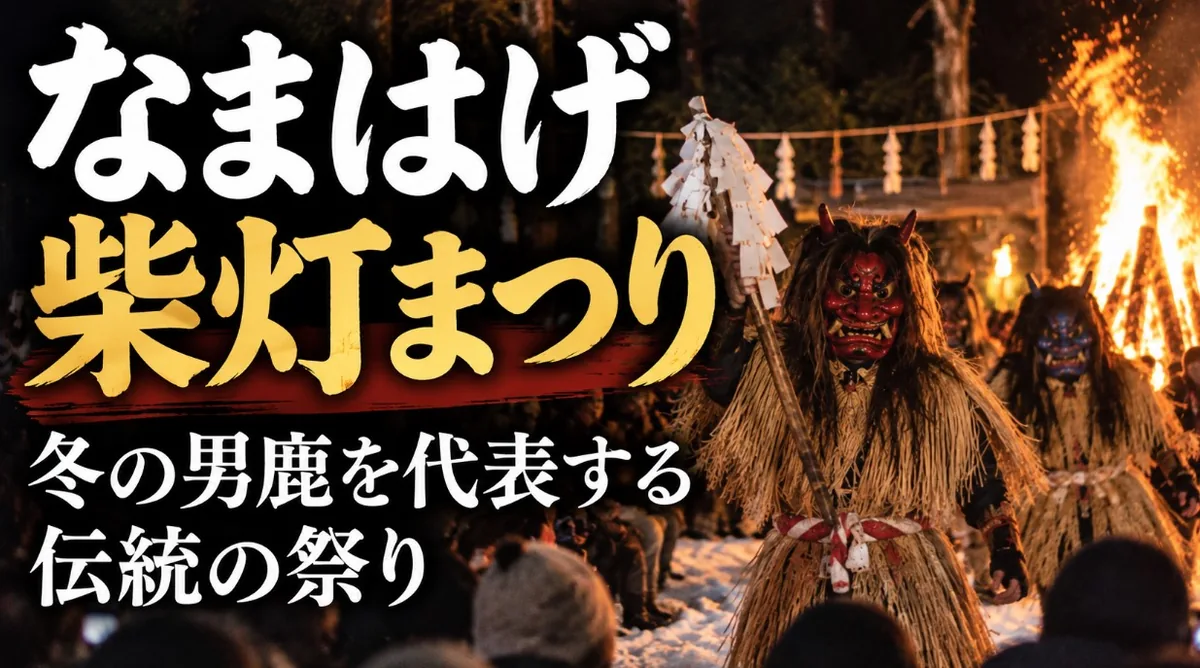
Yes, if you want real snow country Japan. In winter you can combine the illuminations with skiing, the Namahage Sedo Festival, the kamakura snow huts of Yokote and hot springs, all with far fewer tourists than in Hokkaido or Nagano.
Akita Hikari no Fantasy is a free winter illumination that turns the walk from Akita Station to Area Nakaichi into a glowing night stroll. It usually runs from late November to the end of February, with lights from around 5:00 pm. The 2026-27 dates aren’t official yet, so check before you go — that way you avoid arriving to find the lights not switched on yet, which on a winter night is a little too cold a surprise. Dress warmly, wear good shoes, and finish the evening with a hot bowl of kiritanpo. It is one of the easiest free winter evenings you can plan in northern Japan.